A Simple Life [2011] – ★★★★
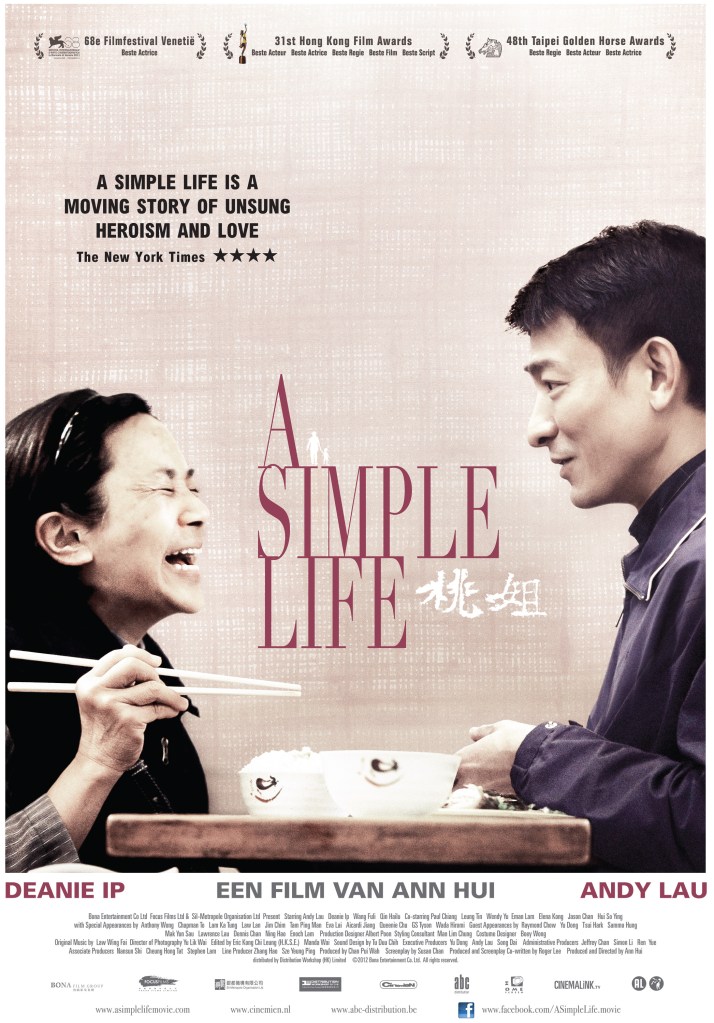
We will all grow old one day, or maybe are already, but have we ever wondered what our last years will really be like? We all want to believe that our sunset years will be comfortable and surrounded by the people we love, but loneliness among the elderly is very common (statistics show that one third of adults over forty five experience loneliness), and poverty can hit at any time. Hong Kong director Ann Hui’s moving film A Simple Life intends to shed light on the problem that many elderly people face, especially those cut off from their immediate families and “interned” in care homes.
In the film, Chung Chun-to (Deanie Ip) is over seventy years old and has been a maid to the Leung family for over sixty years. She still lives and serves the son of the family, middle-aged film producer Roger (Andy Lau) in Hong Kong – that is until her health deteriorates after a stroke and she is willingly put into a local care home. It is there that Chung starts to experience the life of discomfort and sadness as the appalling condition of her new home becomes apparent – military-like efficiency, tasteless food, make-shift walls, etc. Roger also starts to realise something important and that is the immense, unrepayable debt that his family will always owe to Chung.
Asian cinema is no stranger to elderly people being central characters. In a tradition that venerates the old age and in countries where aging population is on the rise, it is also no wonder that more and more filmmakers are turning to the topic of the elderly and their experience of life. From Yasujiro Ozu and Keisuke Kinoshita’s masterpieces (Tokyo Story (1953) and The Ballad of Narayama (1958) respectively) to the twenty-first century’s cohort of vivid cinematic examples – Bong Joon-ho’s Mother (2009), Mina Shum’s Meditation Park (2017), and Naomi Kawase’s Sweet Bean (2015), the elderly certainly has had their spotlight, even if not always even and at times – tainted. A Simple Life follows this cinematic focus and does so diligently and movingly, tackling the difficult subject with much humility and warmth. Chung is always compliant and uncomplaining, but Roger soon realises that she does not like the food served at the care home and so takes every opportunity to dine with her outside when he comes for a visit. It is the clash of their lifestyles that comes to the fore as Roger’s hectic job of a producer is often contrasted with the leisurely, and perhaps also increasingly meaningless, existence of Chung in the institution.
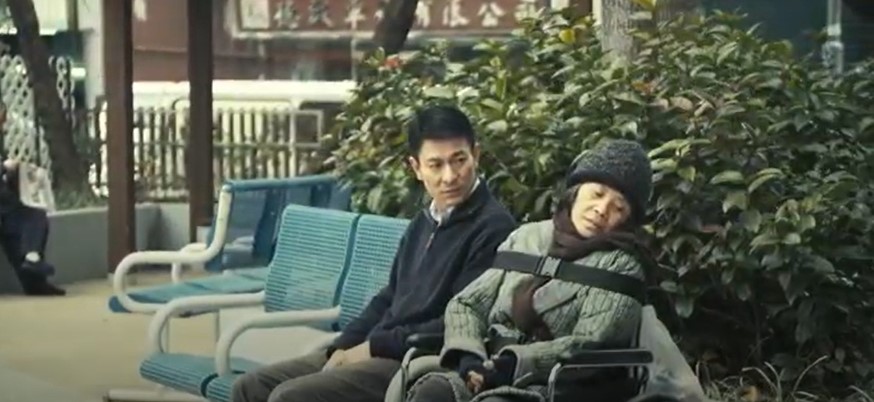
By the film’s end, we feel we have spent so much time in Chung’s care home, we can recognise its every corner and resident, and it also helps that actors Deanie Ip (Chung) and Andy Lau (Roger) are actually godmother and godson who have a close relationship. They do a fine job with both their characters and their evolving relationship. There are touching moments of understanding and sympathy between Chung and Roger throughout this story, and the director manages to keep undue sentimentality at bay by focusing on fine-tuning each scene, rather than being tempted by any melodramatic displays. By paying attention to small details and meaningful dialogues, the poignancy of many moments is heightened. And, the sporadic humour also works wonders, as Hui’s camera is often curious, but never judgemental or pressuring, letting the story unfold slowly, with the tragedy coming from the presented facts alone, rather than from any visual embellishments.
Is there a light for us at the end of the tunnel that is our future, or perhaps present, sunset years? While paying tribute to the sacrifices and devotion of others in her film, Ann Hui answers “yes”. That positive answer comes, but only because of the ever-present spirit of kindness and thankfulness. Giving someone even a little bit of our attention may mean the world to that person, easing their life or loneliness, even if slightly. This film, which so seamlessly fuses documentary realism with poetic sensitivity, ends on a bitter note, but it is still, first and foremost, a touching message of the importance of goodwill and remembrance.
 Spotlight on Film