I think 2024 was a very good year for documentaries (though not my favourite year for feature films), and many of them, like Daughters, Sugarcane and Dahomey, deal with injustice or seeking justice in some way, so I thought I would do the list of my documentary highlights for this year. Below are 7 best documentaries I have seen in 2024, and some of them were not released this year, but some years before.

Samsara (2011)
Samsara easily tops my list of best documentary works I have seen this year. A non-narrative tour de force, this documentary was directed by Ron Fricke (Chronos (1985)), and presents a set of images captured on camera from the world’s five continents. We visit Kyoto’s Fushimi Inari Shrine and France’s Cathedral Notre Dame de Reims, introduced to a ritual in Thikse Monastery, Ladakh, and scale human-made summits of Dubai, among other travelling experiences, and all captured with an astonishing, hypnotic beauty. The work tries to tell us what it is like to encounter our planet Earth and see it from an objective point of view, looking at its wonders, as well as the humanity and its actions. And, it is not without some provoking images, hinting at our relationship with cattle and meat-production, for example, and the perceived eccentricities of other cultures.
It is therefore a pity that we have not seen much from Fricke since the release of this documentary because he has obviously much to offer. Samsara is a truly breath-taking piece of work that will stay with you long after the credits roll.
Life of Crime: 1984-2020 (2021)
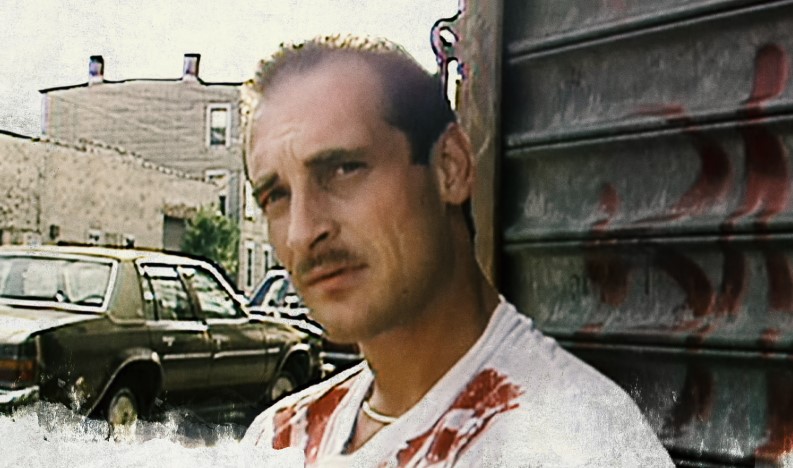
I have seen a fair share of true crime documentaries and series in my life, but Jon Alpert’s Life of Crime left me speechless. The approach here is full of the unflinching, raw presentation of crime, drug use, abuse and trauma as the story follows three individuals of Newark, New Jersey through the decades. Deliris is a mother of two, addicted to heroin, and doing all kinds of shady things to get her fix, ending up in prison multiple times. Freddy and Robert, young men not without their charm, survive on petty crime to feed their families and later growing drug addiction.
If other documentaries on a similar topic may embellish things or downplay them or shy away from certain aspects of a topic, forget all of it here – this is the reality once seen – never forgotten. The key word here is a vicious cycle as we see these people struggle to escape their environment, past, and habits, battling against temptations, prejudice, and poverty as they slide deeper and deeper into well, hell as the years roll by. We begin in 1984 and we finish in 2019. The world will never be the same again. Clearly, the topic is difficult, brutal, controversial, hard to film and talk about, and the director’s decades’ long, brave dedication to the material certainly inspires much respect.
The Accidental Twins (2024)
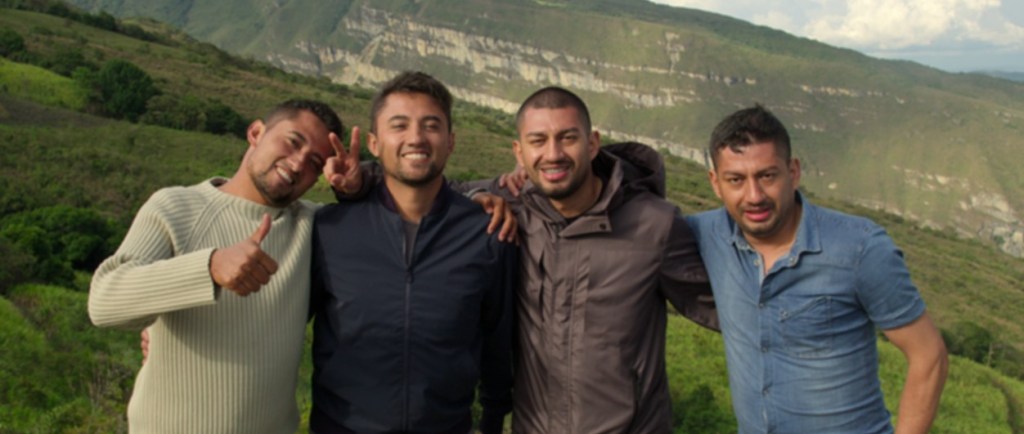
Those who follow my site for some time probably know how I love films and documentaries about twins – see my reviews of Three Identical Strangers (2017) and Tell Me Who I Am (2019). Alessandro Angulo’s s Spanish-language documentary The Accidental Twins is in a similar vein, but less traumatic than these two. The story here is, of course, unbelievable, but true: two fraternal brothers in their late twenties/early thirties in Colombia meet another set of fraternal twins, and realise that each contains an individual who is a part of identical pair of brothers. There should have been two sets of identical twins, but they were switched at birth, and that means each of the brothers ended up and was raised in the “wrong” family. The circumstances here are sad: one twin William from a rural village never got to embrace and be near his real mother (as she passed away), and probably also did not take full advantage of city opportunities. However, there is a bittersweet finale, too: the two sets of brothers became friends.
It is a considerate documentary full of emotion, and captures our interest from the start when it unveils the circumstances of how one pair of brothers first got to know about another: a co-worker of Jorge saw him downtown working as a butcher and was surprised as he is an office-worker (of course, it was not him, but his brother William). This is a gem of documentary work that should get more recognition.
Quiet on Set: The Dark Side of Kids TV (2024)
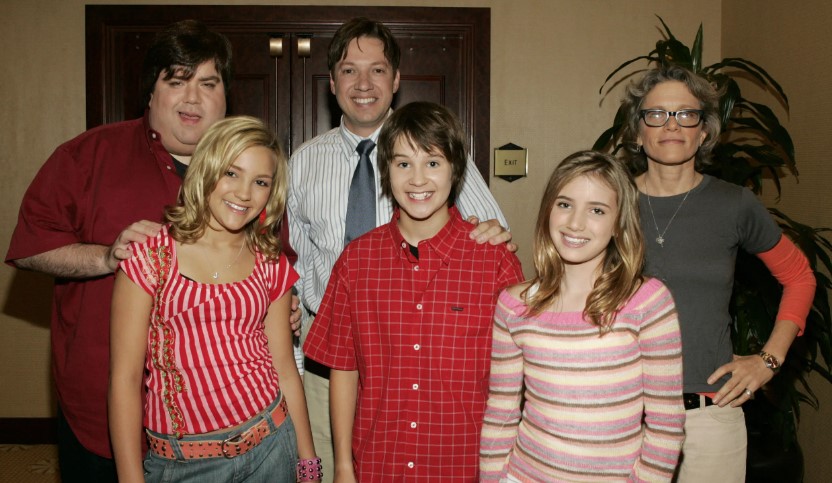
This is a five-part documentary series which is a harrowing, but important account of the toxic, predatory and at times abusive environment on the set of the world’s famous children’s shows of the 1990s and early 2000s, including The Amanda Show and Drake & Josh, and others on Nickelodeon. The focus is primarily on the then producer Dan Schneider, who had control over picking and directing his young actors on set, and the allegations of the then child/teenage star Drake Bell.
Producers and directors of the documentary have done a very commendable and thorough job of collecting the material, tracking down some of the then child stars, and recording interviews. This makes for one intense viewing experience, where we explore not only all the existing grounds giving rise to abuse of trust and innocence, but also the then environment of complacency, complicity, and at times, intimidation, that was a norm. Often shocking, but still handled sensitively, this one is definitely to watch for those interested in true crime and American child star fandom.
The War You Don’t See (2010)
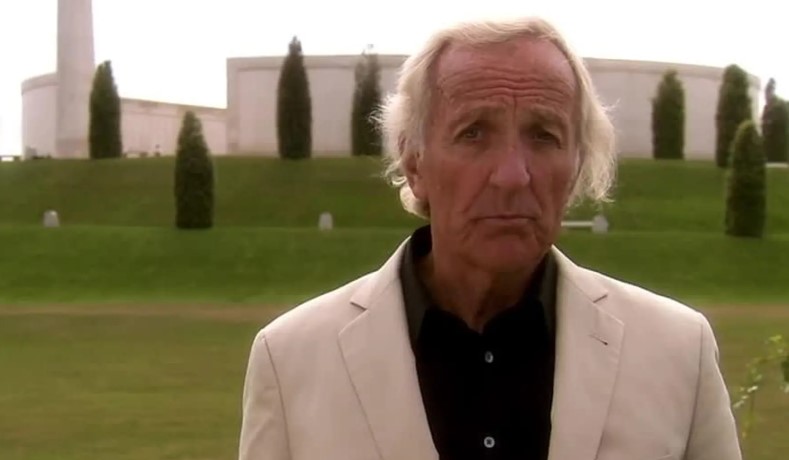
This is probably one of the most important documentaries about wars and war reporting made. War propaganda is still so rampant and so potent, that I don’t think this work will ever age. Award winning journalist and writer John Pilger (1939 – 2023) unveils for us how governments lie through media and distort reality when reporting wars that they have themselves started.
Pilger interviews government officials, journalists and whistle-blowers to get to the bottom of the issue of how and why we never see the true war we often hear about. The notable example is the 2003 American invasion of Iraq, where no “weapons of mass destruction” were ever found, though this was not reported as such at that time, but the work also elucidates on reporting of other wars, including those in Afghanistan and Vietnam. This is an essential viewing about journalistic ethics, powers of government, and our public perception of reality.
The Contestant (2023)
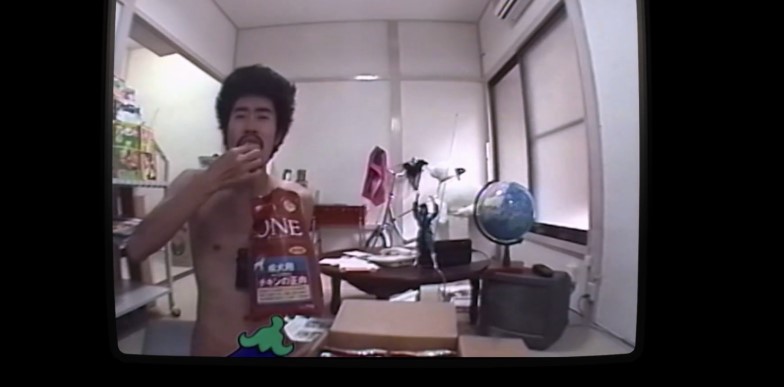
The Contestant is one outrageous documentary that exposes the case of Tomoaki Hamatsu, a man who was used for Japanese reality show Susunu! Denpa Shōnen. Hamatsu, isolated from the world, had to live virtually naked in a claustrophobic apartment for a prolonged period of time, with limited food given, having to earn his “daily bread” by getting his hands on newspapers and trying to participate in and win advertised lottery competitions there. Most of his actions and reactions were recorded on camera, transmitted nationally on television, and Hamatsu did not even know the full extent of his screen exposure or the true nature of the programme he “consented” to act in. His daily “blunders”, remarks about his unusual condition in his small room, and tortious search for food were meant to provide “fun entertainment” for the audience at home.
Some commentators noted that the documentary itself commits a cardinal sin – exposing Hamatsu and “using” him, but, by the end, it is clear that it is only disbelief and pity that we feel for Hamatsu and his circumstances. Reality shows, especially in Japan, are often cruel (the British Jeremy Kyle Show is not the same, but came under fire and shut down due to the abuse suffered and the suicide of its contestants), and Hamatsu was definitely a victim here, a victim that was never truly compensated (if to do so is even possible). Titley’s documentary is shocking and eye-opening, even if we are largely asked to draw our own conclusions from what we have witnessed.
Santoalla (2016)
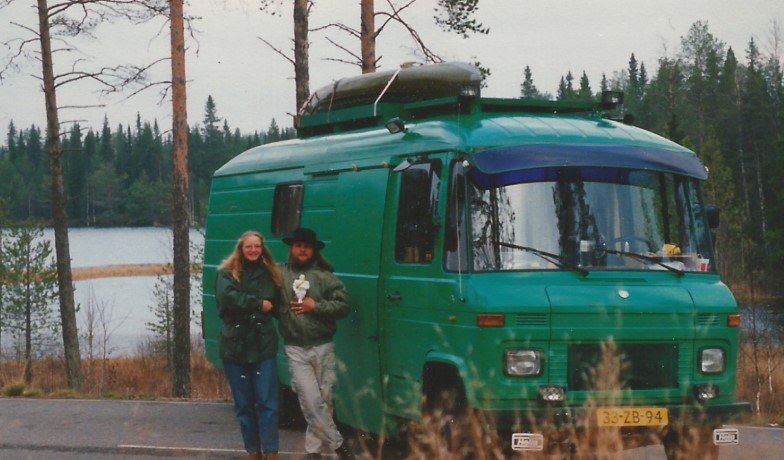
If documentary Santoalla teaches anything then that it is not always so idyllic in the Spanish countryside. This is a documentary that inspired Rodrigo Sorogoyen’s award-winning film The Beasts, and tells of Dutch man Martin Verfondern, who disappeared mysteriously from his farm in Galicia, Spain in 2010. His wife never found the reason why. Martin had land disputes with his neighbours, and xenophobia is also likely to have played a role in his sudden disappearance.
This is a well-made film that tries to stay true to all the facts as it depicts the happy beginning of the couple on their new land and then their mounting troubles with their increasingly hostile neighbours over the years prior to Martin’s disappearance. This is not only a documentary that pays a tribute to Martin and the efforts to find him – this is also a touching cinematic ode to the man’s love for his land.
 Spotlight on Film
Interesting list of documentaries. I was recommended Quiet On Set which I know will be shocking since I remember watching some of those Nickelodeon shows back in the day when I was a kid.
LikeLiked by 1 person
Yes. Shocking, but fascinating. There is a lot of material and new information unearthed so I am not surprised they decided to make it a documentary mini-series. A Very Happy New Year to you!
LikeLiked by 1 person
It’s good such a docuseries exists to expose these things. I don’t even know if I can watch those 90s/early 00s Nickelodeon stuff again after knowing what I know now.
Sure thing and Happy New Year to you, too!
LikeLiked by 1 person
Nice list! Quiet On Set is definitely one that has stuck with me this year.
LikeLiked by 1 person
Big fan of John Pilger so will definitely watch his doc. Thanks for sharing 🙂
LikeLiked by 1 person
All of these look utterly fascinating. Thanks for sharing this list.
LikeLiked by 1 person
I am glad you’ve found it useful, thanks for stopping by!
LikeLiked by 1 person
Cool list! Will be definitely putting these into my watchlist.
LikeLiked by 1 person