Nothing quite stirs the imagination when it comes to Japanese history and culture like the time and life of samurai (Japanese “aristocratic” warriors – 侍) in Japan (12th century to early 17th century). Their code, techniques and lifestyle continue to fascinate us, but, though there have been many film lists made that explore stories about samurai, some films keep falling through the cracks, to speak, not receiving the worldwide attention or recognition they deserve. Below are some of them, films set in the samurai-era of Japan that are worth checking out.
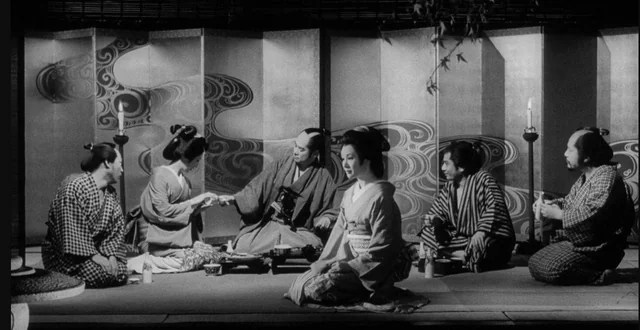
Demons (1971)
When one thinks of a samurai film, it is likely that some epic by Akira Kurosawa or Kenji Mizoguchi comes to mind, or maybe some story or film based on legendary Musashi Miyamoto, but Demons by Toshio Matsumoto is a gem of a film that is also masterful in every way. The story here revolves around Gengobei (Katsuo Nakamura), a wronged ronin, who is looking to set his score with geisha Koman (Yasuko Sanjo) and her trickster husband Sangorô (Juro Kara) who hoodwinked him for money. Actions have consequences, and the pair of fraudsters do not even realise what chaos they unleashed by playing with the ronin’s feelings. Gengobei’s faithful servant Hachiemon (Masao Imafuku) may also try a trick or two up his sleeve to save his master but, there is no turning back from a cascade of tragedies to follow. From atmospheric, grim cinematography and impressive acting to thought-provoking premonition dream/imagination sequences, everything seems to work in this film that grips you like few samurai films do.

Yojimbo (1961)
No list about samurai would be complete without Akira Kurosawa. While the majority go for his epics Seven Samurai, Ran, Rashomon, and Throne of Blood, Yojimbo often lags behind, and unjustly so. The core of the film is one very thought-provoking scenario – a ronin (Toshirô Mifune) who becomes torn between two fighting clans. Each one want him as their “bodyguard” to win over the other, but the ronin has his own thoughts and interests regarding the matter. He chooses one side and then another as he sees fit, while also displaying much compassion to the “underdogs” of society, even rescuing a family. The epic has more than a few blood-shed sequences, but it is the acting and the film’s unusual scenario that take the central stage here. The curious trivia about this film is that Sergio Leone drew inspiration from it to make A Fistful of Dollars (1964), and, in turn, Kurosawa claims he borrowed aspects of the plot from the works of writer Dashiell Hammett (The Red Harvest, The Glass Key).
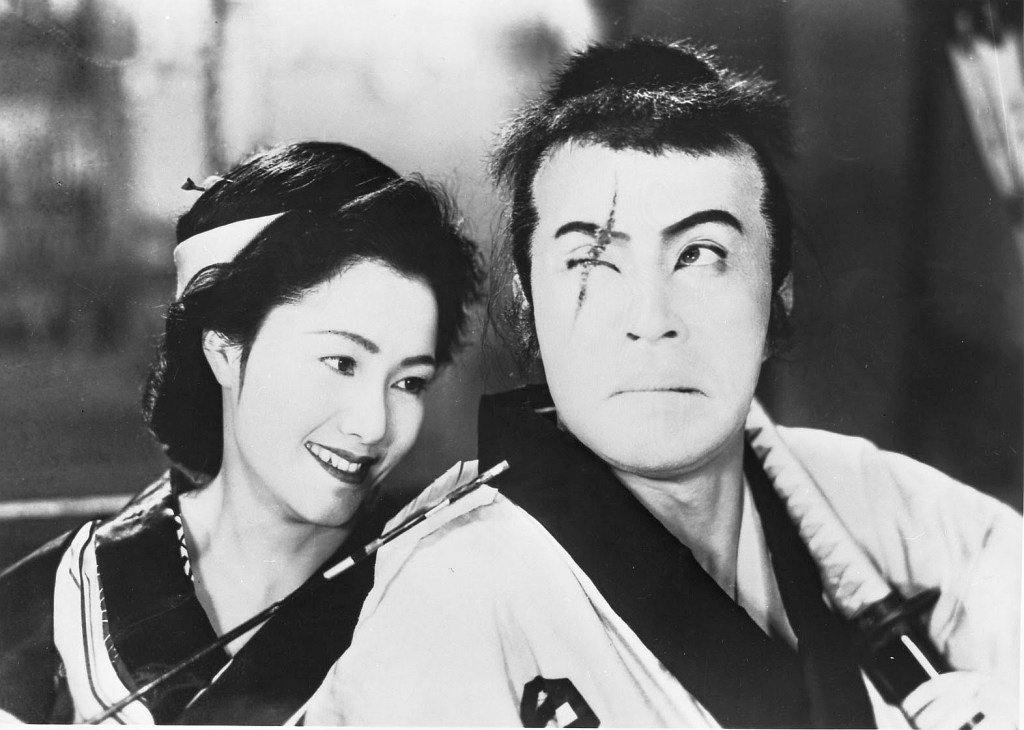
Tange Sazen & The Pot Worth a Million Ryo (1935)
This must be one of the finest films made in the style of jidaigeki or early “period” film and by a director who left this earth only too soon – Sadao Yamanaka (1909 – 1938). It is a mix and a pastiche of many things: humour, drama, fighting action, and family dynamics, among others. The story centres on what looks like an ordinary, worthless pot that has the map of a treasure painted on it. By all accounts, that map leads to one million ryo hidden somewhere. Curious incidents arise throughout the film as numerous characters try to locate the pot, while others, not realising its true worth, keep passing it to others. There are interesting deviations here too, including the adoption of poor, orphaned boy Yokichi by Tange (Denjirō Ōkōchi), a rōnin, an expert swordsman and a bouncer. It is hard now to define what precisely Tange Sazen & The Pot Worth a Million Ryo is, or what works there so well in particular, but anyone who has seen it would sure be glad to have done so.
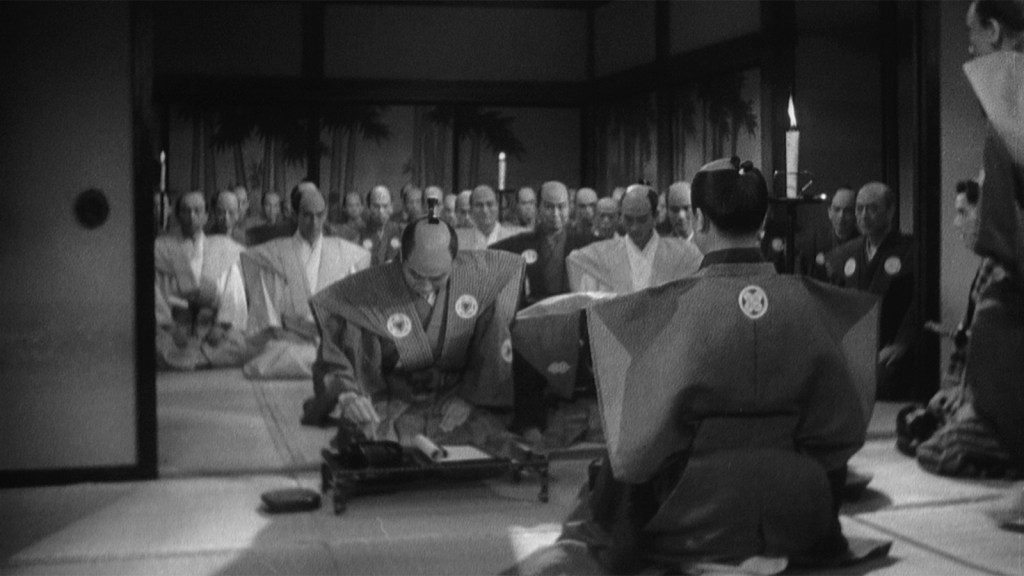
The 47 Ronin (1941)
The real historical incident about forty-seven lord-less samurai who avenged the death of their master on 31 January 1703 provided an inspiration for many films and books, but this early film is surely a worthy addition. Kenji Mizoguchi (Ugetsu, Sansho the Bailiff) is at the helm of this historical epic whose release was overshadowed by the attack on Pearl Harbor. Initially, a two-part series, the film is a considerate, visually impressive portrayal of the drama, and, though definitely a product of its time in certain of its aspects, is still a “must-see” for samurai film fans.
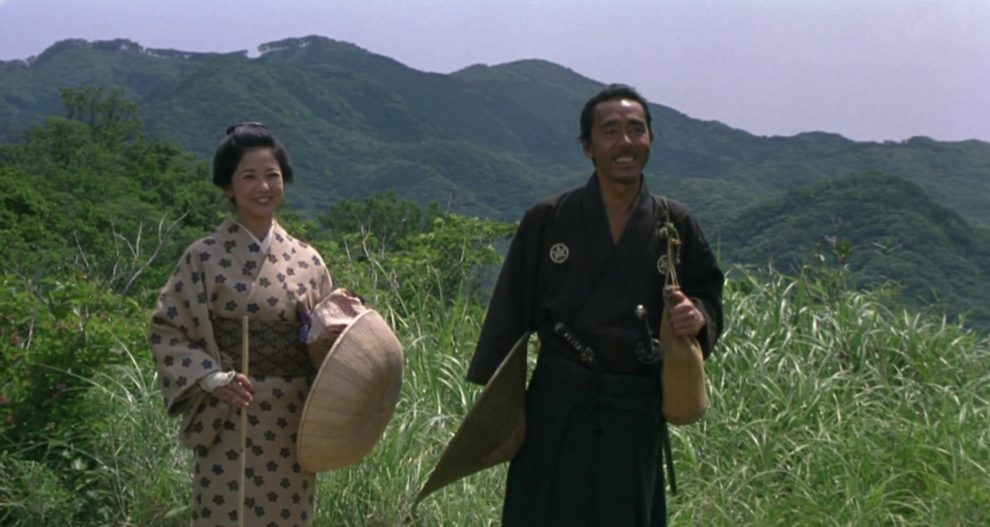
After the Rain (1999)
This film often slips under the radar, but it was scripted by Akira Kurosawa and filmed by his own former assistant, Takashi Koizumi. The story is about a wondering ronin (a samurai without a master) called Ihei Misawa who takes shelter one night at an inn during a torrent, and comes in contact with some eccentric characters. Ihei Misawa’s act of kindness to some lodgers means he soon has to undergo a dangerous task himself to pay for it. Akira Terao shines in the lead role, and his on-screen relationship with his loving wife (Yoshiko Miyazaki) is tender and moving. The film is an uplifting look at the Edo era of Japan when samurai had a strict code of conduct, and were often admired for their honour and zen-inspired humility.
 Spotlight on Film
The only one I’ve seen is Yojimbo, but I’ll keep the other movies in mind.
LikeLiked by 1 person
Demons and Tange Sazen & The Pot Worth a Million Ryo are particularly noteworthy from the list if you want to prioritise in future, but Demons also has one very controversial scene which may put people off.
LikeLiked by 1 person
Good to know about those movies. Thanks!
LikeLiked by 1 person