The Middle Ages – what other historical period excites our imagination as much? This is deemed to be a period of great uncertainty, religious mania, chivalry, and omnipresent death, a period of darkness and a period of sporadic light, depending what century you consider. Many film directors fell under its haunting spell, too, and some of the first films set in the Middle Ages were France-themed, including short silent film Esmeralda [1905], that intended to adapt a novel by Victor Hugo. Below are 10 great films set in the Middle Ages – all listed in no particular order.
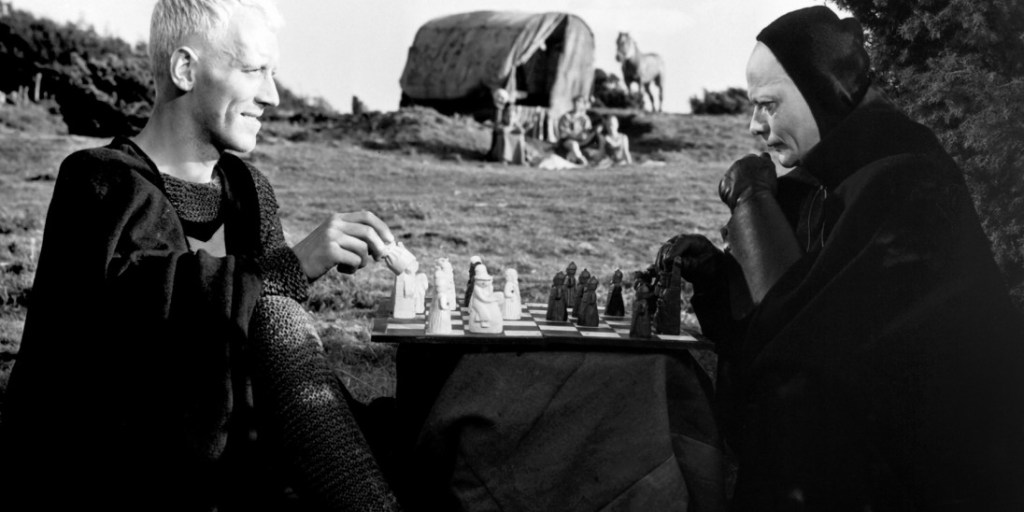
I. The Seventh Seal
One of the greatest films of all time tells of Knight Antonius Block (Max von Sydow) who returns home from the Crusades and finds it ravaged by the epidemic of Black Death. He makes an acquaintance with a troupe of travelling performers and, together, they try to flee the area before they turn into the plague’s latest victims. This rich in symbolism, and historical and religious contexts, film should be a true delight for any cinema-lover, and few people also know that Bergman actually based this film on his own play titled Wood Painting.
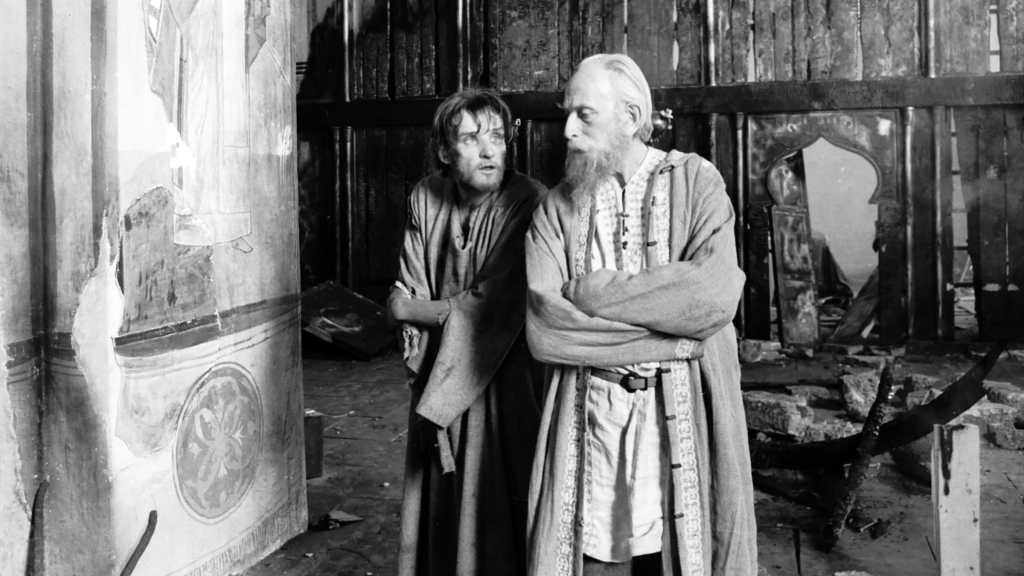
II. Andrei Rublev
This 1966 film by Andrei Tarkovsky is partly bibliographical and follows medieval Russian iconographer Andrei Rublev (Anatoly Solonitsyn) in the fifteenth century Russia torn by destruction and violence. Rublev inadvertently becomes the witness and then the participant to the unfolding chaotic events around him, as his life/this film becomes a spiritual quest to understand the purpose of life, faith and art. This thematically complex, religious film by the great Soviet director is a true cinematic masterpiece.
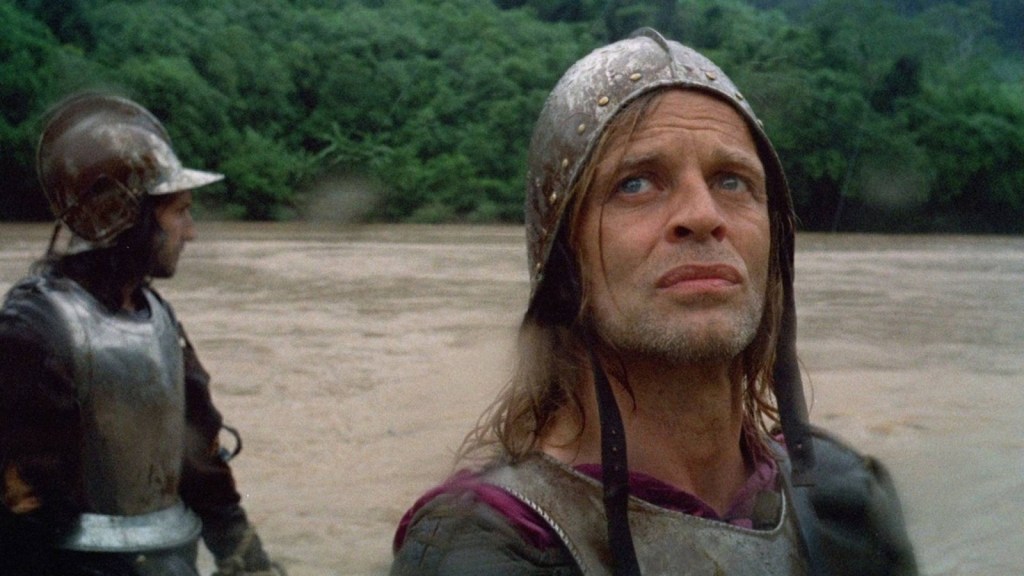
III. Aguirre, the Wrath of God
Shooting medieval times must be a trying task, but if any director is up to this challenge then it is German director Werner Herzog. Partnering with his favourite star actor Klaus Kinski, who would later also appear in Herzog’s films Nosferatu the Vampyre [1979] and Fitzcarraldo [1982], he depicts the journey of Spanish soldier Lope de Aguirre (Kinski), who leads conquistadores down the Amazon river in search of a rumoured city full of gold. This historical epic brags an astonishingly beautiful cinematography, and the film overall can be interpreted as a powerful warning against unfettered power, arrogance and greed.

IV. Hard to be a God
This 2013 Russian film is an ambitious historical science-fiction saga based on the book of the same name by Arkady and Boris Strugatsky. Director Aleksei German (My Friend Ivan Lapshin), who is known for his “poetic pessimism” in films, tells the story of distant planet Arkanar, whose inhabitants still live in the times that resemble the Middle Ages on Earth and are used to killing anyone who displays scientific or intellectual thinking. One scientist born on Earth (Leonid Yarmolnik) travels to this planet and is soon prepared to do anything to stop the senseless murder of the planet’s intellectuals. Hard To Be A God is a mesmerising, dark film, showing the face of humanity few would want to contemplate.
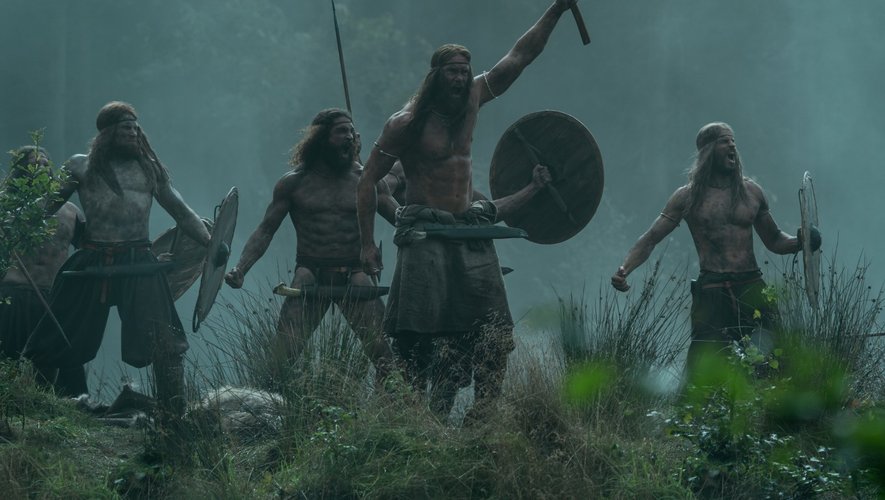
V. The Northman
This is only the third feature film of director Robert Eggers, but it sends the same shiver down our spines as his other two – The Lighthouse and The Witch. Just as his debuts, this one is a dark tale of violence, but this time set in the times of Vikings (so, technically, perhaps even predating the Middle Ages). Prince Amleth (Alexander Skarsgård) is set to avenge the name of his family, embarking on his murderous conquest to the faraway land. Eggers’s forthcoming film Nosferatu is also the one to watch. It will be a remake of the 1922 German Expressionist film of the same name.
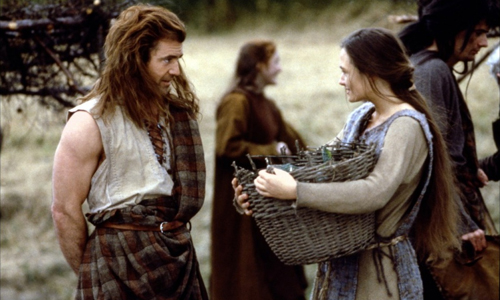
VI. Braveheart
Mel Gibson is now known for his inspiring passion-driven films based on real events that are also not without their share of controversies, and this early 1995 film by Gibson is a great historical drama that looks at the life and times of William Wallace, a Scottish leader who waged the independence war against the English in the late thirteenth century. Looking back, the film’s historic presentation is not always up to scratch, but the film is still a hugely entertaining epic with vivid, unforgettable scenes, elevated by the gorgeous cinematography and the wonderful use of James Horner’s music. Rewind twenty years forward, and Mel Gibson would produce another historic film which can only be described as another “complete package” of a film, full of inspiring action with unflinching scenes of violence and believable romance – anti-war film Hacksaw Ridge [2016] about one heroic conscientious objector during the WWII.
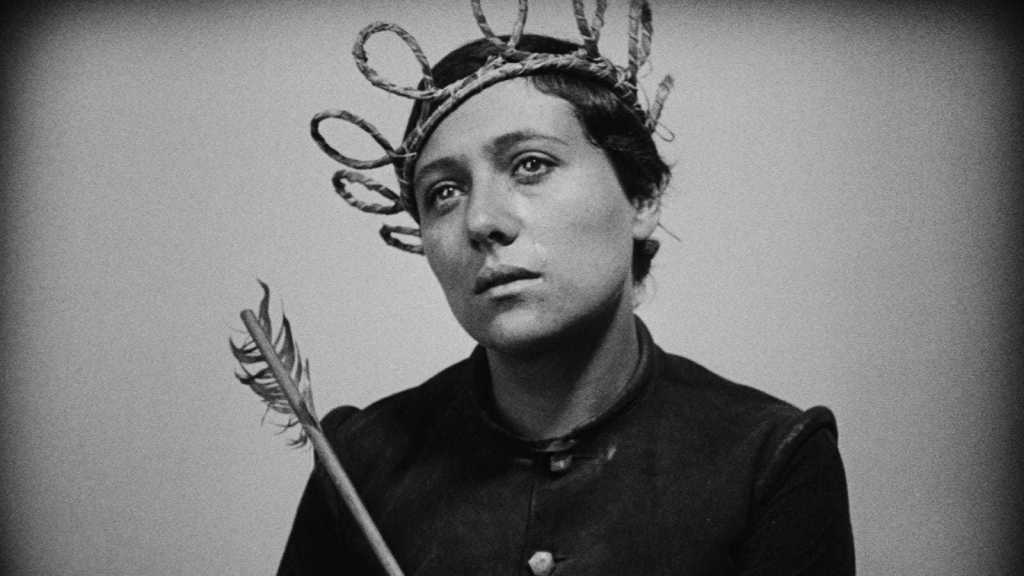
VII. The Passion of Joan of Arc
This classic silent film by Carl Theodor Dreyer must be one of the greatest, if not the greatest film ever made. The historic French heroine is played by Renée Jeanne Falconetti, who embodies her Joan of Arc with a zealous conviction and moving grace. Dreyer’s idiosyncratic style to tell this story, as well as his inventive-by-that-time camera sequences capture powerfully the religious fervour and stoicism of the trapped and interrogated martyr. Dreyer will return to religious themes in his other films, most notably in Ordet [1955], but The Passion of Joan of Arc is still that crowning achievement of a lifetime.
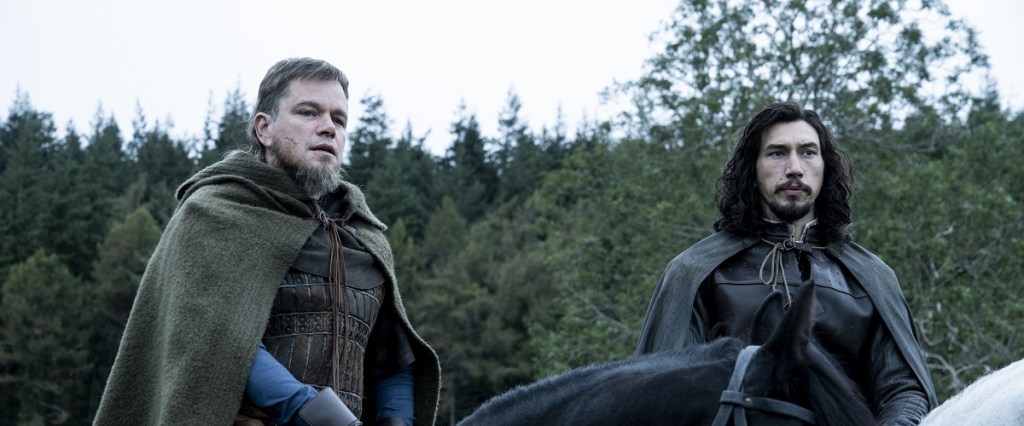
VIII. The Last Duel
Ridley Scott’s medieval epic of 2021 relies on the “Rashomon” non-linear structure to tell the story of Jean de Carrouges and Jacques LeGris, a knight and a squire duelling during the Hundred Years War. Loosely based on real events, Matt Damon and Adam Driver are in the roles of the said men who start to combat after Carrouges’s wife, Marguerite (Jodie Comer), denounces LeGris for assaulting her. The film’s deeper feminist messages are not conveyed as effectively, but the historic feel, overall presentation, and acting are all top-notch.
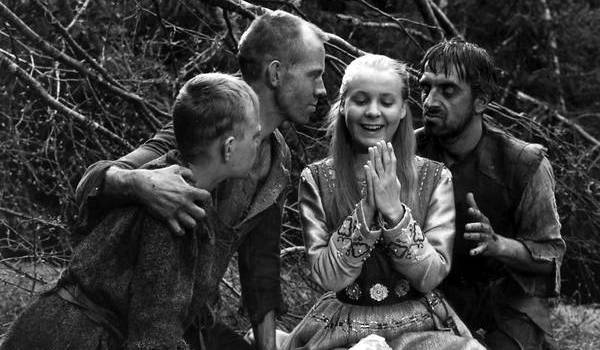
IX. The Virgin Spring
Was Ingmar Bergman the most realistic “medievalist” on screen? The jury is still out, but The Virgin Spring [1960], just as The Seventh Seal made three years before, is a powerful depiction of the times, emphasising the themes of lawlessness, trauma and revenge. When Karin (Birgritta Pettersson), the only daughter of a devoted Christian family, gets brutally raped and murdered in the woods, the father of the family, Töre (Max von Sydow), starts to plot his revenge as the complicity of their surviving foster daughter Ingeri (Gunnel Lindblom) also becomes evident. The film topics make for a rather dark and uncomfortable viewing experience, but the film’s mastery is still undeniable. The story seamlessly fuses realism with spiritual examination to deliver a brutal and effective drama.
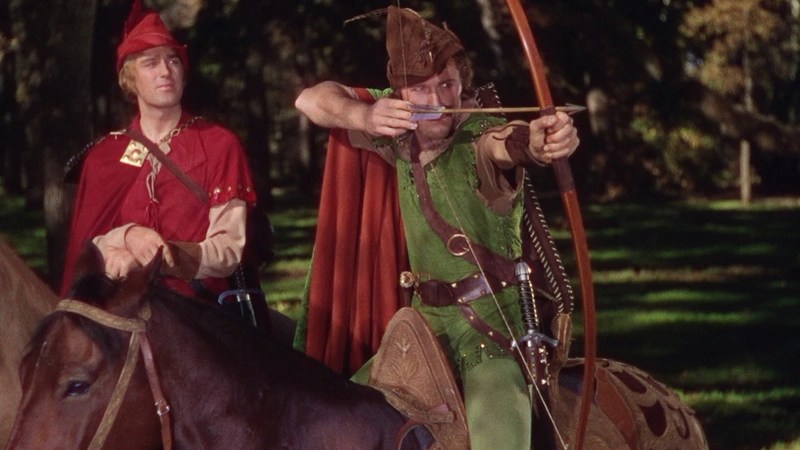
X. The Adventures of Robin Hood
The Technicolor technology was still a relatively new thing when The Adventures of Robin Hood hit the screens in 1938. It was Warner Bros.’s first film to use the Technicolor three-strip process and the result is an eye-candy of a film that tells of the legendary knight Robin Hood who fights injustice on his land in the absence of King Richard. Errol Flynn is in the role of the brave knight-gone-outlaw, while Olivia de Havilland embodies his romantic interest, lovely Maid Marian. This is a fun classic swashbuckler set in medieval England, a cinematic treat for the whole family.
BONUS (just as a tribute to Heath Ledger):
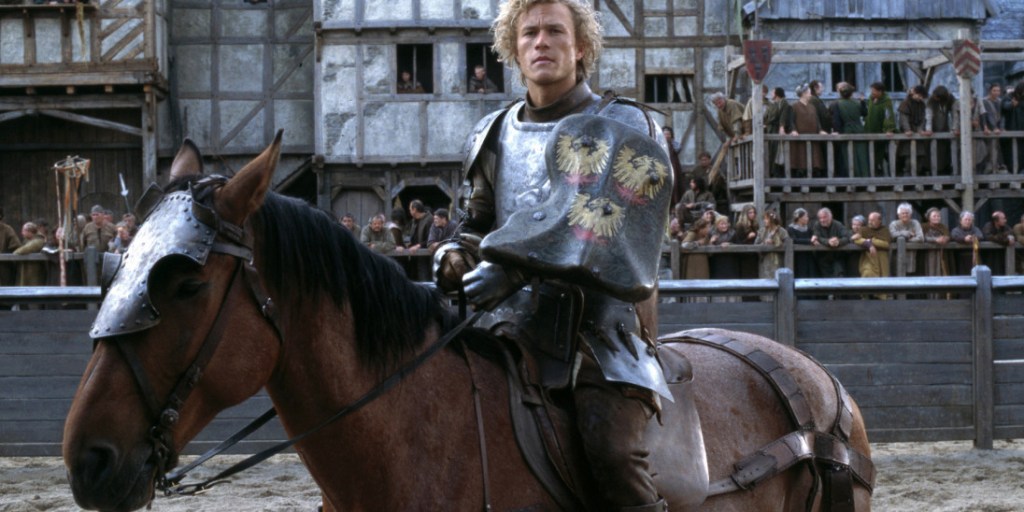
A Knight’s Tale
All the ridiculous historical inaccuracies aside, A Knight’s Tale is actually a very entertaining 2001 film about medieval jousting starring Heath Ledger in the role of peasant squire William Thatcher who pretends to be a knight to compete in tournaments. Ledger’s pull is undeniable in this partly comic film that does not take itself too seriously, but neither does it disappoint. A few years back in 1995, Richard Gere also starred in medieval drama called First Knight [1995], but Gere simply does not have the undeniable charisma of Ledger, and if one cannot make a historical film an epitome of accuracy and vigorous conviction, then a least a heap of lovable goofiness should compensate – that is exactly what A Knight’s Tale delivers.
 Spotlight on Film
Really liked The Northman, Braveheart, and The Last Duel. Thought The Last Duel got cheated out of awards. It was excellent! Have made a list of the ones you mention I want to see: I – IV, IX.
LikeLiked by 1 person
I obviously agree with your take! I learnt that if is not some fairy tale or men in tights swashbuckling, “medieval” films can be hard to process because of their “brutal” themes. Bergman is one example of that, but his films still provide a very rewarding, uncanny experience.
LikeLiked by 1 person
Nice list! Historically, the conquesta is not regarded as part of the Middle Ages, but as of the Renaissance 🙂. And when thinking of films with Medieval settings Monty Python and the Holy Grail somehow first comes to my mind, followed by the related Jabberwocky and Eric the Viking.
LikeLiked by 1 person
Thanks and for telling me that! Monty Python, Jabberwocky – I guess I was trying to be more serious with my list! 🙂
LikeLiked by 1 person
Some great movies…none greater than The Seventh Seal.
LikeLiked by 2 people
Great post, I read this and discover that several films on this list are already in my watchlist, i must get around to watching these pronto.
LikeLiked by 1 person
I really admired Braveheart for all the things it made me feel…
LikeLiked by 1 person
I love, absolutely LOVE, The Passion of Joan of Arc. I saw it with a live chorus at the TCM Classic Film Festival a few years ago, and it was the best viewing experience of a film I will ever have.
LikeLiked by 2 people
A true masterpiece!
LikeLiked by 2 people
Very fascinating list! This was good to read. Good on you for putting those Bergman films and Joan of Arc on there. I remember watching those movies in my World Cinema class and learned about the Theatre of Cruelty when watching Joan of Arc. I might put a few Kurosawa period piece films there or maybe Yeelen as far as Malian films are concerned. Fun fact about The Northman: It’s based on Amleth which is the same story Shakespeare found out when he made his own take called Hamlet. Even the name is an anagram. Don’t worry, I won’t make any jokes about how a certain fandom thinks their favorite movie plays out just like Hamlet which it doesn’t. Haha! Also, thanks for checking out some of my posts on Iridium Eye today. I really appreciate it and I’m glad you have more posts now. I hope your hiatus went well, and I look forward to more reviews.
LikeLiked by 1 person
Thank you! Kurosawa is a great suggestion. I have to admit I am still “warming up” to his samurai films on a personal level, and that is not to say that they are not technically brilliant, which they are. Also, thanks for the info about The Northman. I guess there is a previous story inspiration for every story no matter how “ancient” or “original” it may sound. Folk-tales and myths, history intertwining with fantasy, that kind of thing. Incidentally, only the other day I watched another film set in the Middle Ages – Bresson’s Lancelot du Lac, which is about the Knights of Arthur’s Round Table. I am not sure if it would have made my list, but it is surely one of the oddest films I’ve ever seen and definitely has a singular vision.
LikeLiked by 1 person
You’re welcome. Kurosawa made some medieval movies, but I hear you if you are still trying to get used to his Samurai flicks. No problem about The Northman. I knew that after I watched the 1996 Hamlet adaptation and reviewed it when I did research on the original story. You could even make an argument of that concept going back to the Osirian Myth, but I digress. Haha! I haven’t seen that movie, but it could make sense from a time period standpoint.
LikeLiked by 1 person
Very interesting and eclectic mix of great films. It’s a reminder of how many true classics have enjoyed the Middle Ages as a theme or setting. I’d have trouble picking between Aguirre, the Wrath of God and The Seventh Seal as my number one I think. I like the tribute to Heath Ledger. A Knight’s Tale does have some very funny moments.
LikeLiked by 1 person
Totally! Thanks for your comment!
LikeLike