There is nothing like Hollywood turning the camera on itself. The depiction of screenwriters or scriptwriters on film (usually, Hollywood prefers just writers, and, often, alcoholic writers) is not a big theme, but it is still illuminating. From satire to thriller, below are five films that spotlight the profession of writing for film that emerged in the 20th century (the first screenplay dates to 1900, and George Melies’ 1902 screenplay A Trip to the Moon is one of these early examples). But, how exactly are scriptwriters portrayed in films? From creative differences, to art vs. business/commercialism gulf, creative blocks, and pressure to succeed in the competitive sphere, the films below tap into almost all corners of this curious profession.
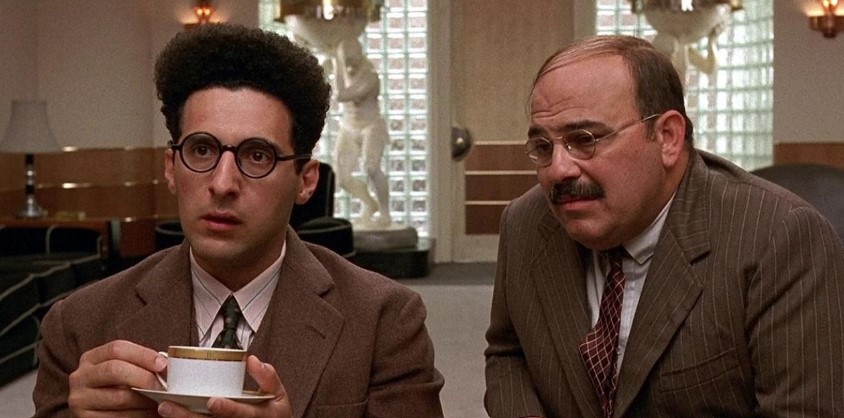
Barton Fink (1991)
This Palme d’Or winner is the perfect film-satire from the Coen brothers that satirises many aspects of working for Hollywood as a scriptwriter. When talented, but idealistic writer Barton Fink (John Turturro) is offered to write for Hollywood after his success in New York as a playwright, he cannot believe his luck. The job may bring him lots of money and fame, but as he settles into his new home in LA – once glorious, but now decrepit hotel, and makes friends with a dodgy insurance man next-door (John Goodman), he realises that he knew nothing about how things were truly run in Tinseltown. The film’s spot-on exaggerations and farcical turns are a delight, and the superb acting and cinematography, together with that twist ending, all ensure that Barton Fink is one of my all time favourite films.
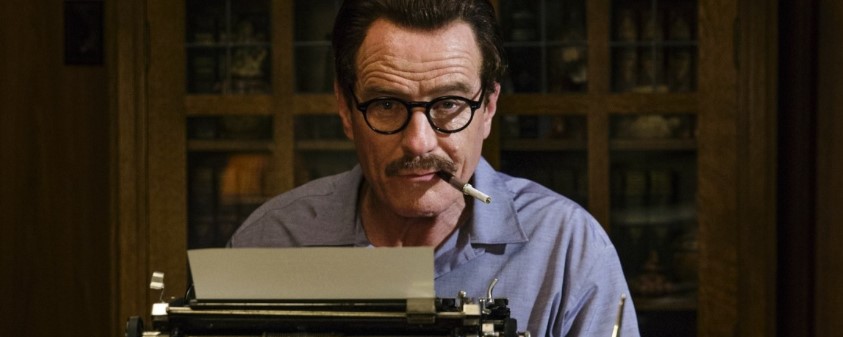
Trumbo (2015)
Trumbo is one entertaining, eye-opening, albeit also shocking, biographical film about real person Dalton Trumbo, a scriptwriter known for such films as Roman Holiday (for which he only received recognition posthumously) and Spartacus. He, together with ten other scriptwriters, was blacklisted by Hollywood for “anti-American” and “communist” “associations”, and was prohibited from working in Hollywood from the late 1940s onwards. Trumbo didn’t despair, though, and worked in secret for many years, using aliases and other scriptwriters who passed his work as their own. American freedoms? Ask, Mr. Trumbo – he had to a lot to say on the matter, being persecuted, arrested and imprisoned.
Jay Roach’s Trumbo is a gorgeous production that showcases one turbulent, shameful time in Hollywood history, when writers, actors and directors were actively “witch-hunted” for their beliefs. Bryan Cranston (The Infiltrator, Wakefield) throws everything he has into this role of one courageous family man, who is pinned against the powerful system that is Hollywood, and the supporting cast is also good, including Diane Lane and Helen Mirren.
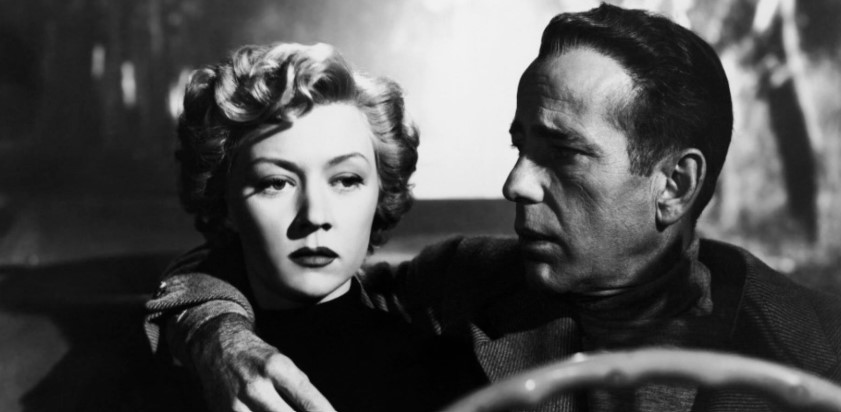
In a Lonely Place (1950)
This movie may first appear as another ordinary film noir, but this is also a damning portrayal of Hollywood as Humphrey Bogart takes the role of Dix Steele, a troubled, luckless screenwriter with the propensity for violence. His neighbour, Laurel Gray (Gloria Grahame), falls under his charm and thinks him innocent of a murder just recently committed nearby, providing the man with an alibi, but doubts mount. This dark tale keeps us guessing until the very end as it emphasises scriptwriting and Hollywood as being, in reality, lonely, friendless, fickle and cynical worlds.
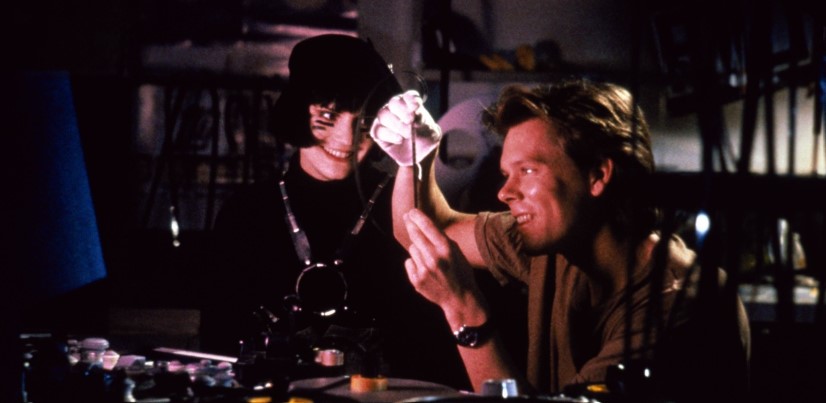
The Big Picture (1989)
This is the kind of a picture whose individual bits and pieces work much better than the overall film that, in turn, gets quite misguided by the end. However, as it is still a curious film about a screenwriter in Hollywood and how early success can get into one’s head, it is worth a watch. Kevin Bacon takes the lead in this comedy as Nick Chapman, the recent winner of film competition in his native town, who now gets the chance to write for Hollywood when he signs a deal to produce creative material for a major studio. However, nothing is as it seems, and, soon the film deviates from its premise in more than one way. What works here are some funny moments, some satire, and some insight into the showbiz, even if the rest is cliché and forced melodrama.
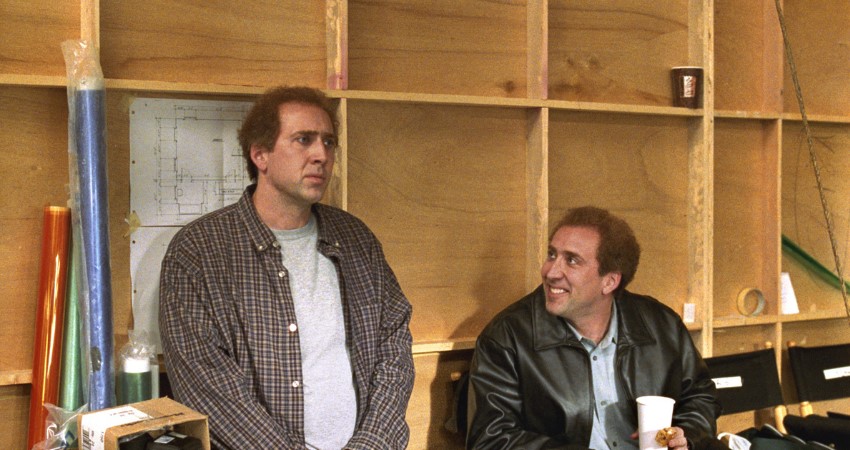
Adaptation (2002)
“The last act makes a film. Wow them in the end and you got a hit. You can have flaws, problems… But wow them in the end, and you’ve got a hit” (Robert McKee in Adaptation).
In this film by Spike Jonze, screenwriter Charlie Kaufman (Nicolas Cage) is hired to adapt Susan Orlean’s book The Orchid Thief for a film, and thinks he can do an amazing job, until it is actually the time to write it. Suffering from anxiety and the lack of confidence, he is in stark contrast to his twin brother Donald (also Cage) who is a social butterfly, and who also soon wants to shine in this field of scriptwriting. What will be the result of this rivalry and Hollywood career? This is the kind of a quirky, peculiar film that Charlie Kaufman (Being John Malkovich, Eternal Sunshine of the Spotless Mind), the real scriptwriter of this film, became known for – fun and odd in equal measure with some amazing performances from Nicolas Cage, Chris Cooper and Meryl Streep.
This list was partly inspired by my recent re-watch of film Mank by David Fincher about screenwriter Herman J. Mankiewicz and his development of the Citizen Kane script, and check out also Closed Curtain, a 2013 Iranian docufiction film by Jafar Panahi and Kambuzia Partovi about one secluded-by-the-sea scriptwriter.
 Spotlight on Film
I went into Barton Fink expecting to dislike it – can’t remember why – and I loved it. Such a great film with a wild finish. Have not yet seen (or even heard of) Adaptation or The Big Picture, but will look for those. Thanks!
LikeLiked by 1 person
Barton Fink also “converted” me rather late. I was pleasantly surprised when I finally saw it. Thanks for the comment!
LikeLiked by 1 person
Very fascinating list about films involving screenwriters. I haven’t seen any of those films yet.
LikeLiked by 1 person